
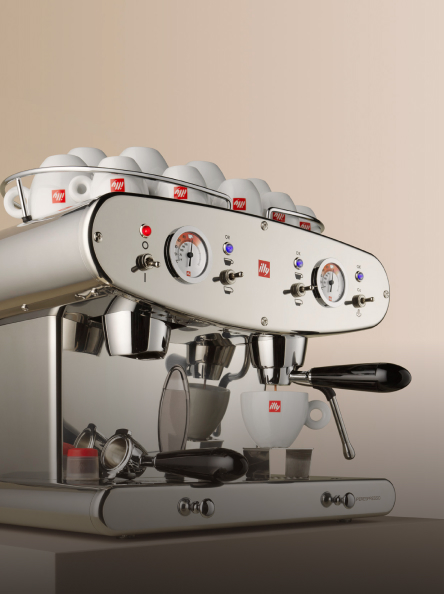

Coffee has become one of the most scrutinised details on a hospitality menu. Guests notice it, compare it and increasingly judge a venue by it. Whether served at breakfast in a hotel, after dinner in a restaurant or during a business meeting, coffee has evolved from a simple beverage into an essential part of the guest experience.
For hospitality operators, choosing the right coffee suppliers is a decision that shapes guest satisfaction, operational efficiency, staff confidence and brand reputation.
Rather than asking "who sells the best coffee beans", operators should ask: which supplier can consistently deliver premium coffee, professional equipment, branded presentation, expert support and long-term reliability?
This guide sets out the criteria that matter most when evaluating coffee suppliers for hotels and restaurants, to help operators decide on more than price alone.
In this article:
- Why the choice of coffee suppliers matters more than ever
- What distinguishes a premium hospitality coffee partner?
- Bean quality and origin: the non-negotiable starting point
- Equipment and machine technology built for hospitality
- Supply and contract models: what to expect
- Branding and presentation: why every cup matters
- Coffee as the final touchpoint of the guest journey
- Training and operational support
- Reliability, sustainability and long-term partnership
- Comparing suppliers: a practical evaluation framework
- Final considerations
- Frequently asked questions

Why the choice of coffee suppliers matters more than ever
Behind every espresso served in a hotel lobby or restaurant dining room sits a chain of decisions made long before the coffee reaches the cup. Bean sourcing, roasting consistency, machine technology, staff training, servicing and logistics all determine whether guests remember a premium coffee experience, or a disappointing end to an otherwise excellent meal.
The scale of the opportunity is significant. The UK drinks an estimated 98 million cups of coffee a day, and 76% of UK adults now drink coffee regularly, running close to tea in popularity (Statista, 2025).
Consumers are also becoming more selective about where they spend. Recent industry research found that 74% of UK consumers would visit a venue specifically for an elevated dining or drinking experience, and a well-served coffee is often part of what makes an occasion feel worth it.
The challenge for buyers is that many coffee suppliers describe themselves using similar language (“premium,” “artisan,” “high quality”), making it difficult to distinguish genuine operational value from marketing claims. The most effective way to compare suppliers is to evaluate them against a consistent set of business criteria rather than taste alone.
What distinguishes a premium hospitality coffee partner?
Choosing a coffee supplier is about far more than selecting great coffee beans. Hotels and restaurants should evaluate suppliers across a range of operational, commercial and service-related capabilities. The framework below highlights the key criteria that define a complete hospitality coffee partner.
|
Capability |
Basic supplier |
Premium hospitality partner |
|
Coffee beans |
✓ |
✓ |
|
Professional equipment |
Sometimes |
✓ |
|
Branded cups & crockery |
Rarely |
✓ |
|
Installation |
Sometimes |
✓ |
|
Technical servicing |
Limited |
✓ |
|
Staff training |
Occasionally |
✓ |
|
Beverage menu advice |
Rarely |
✓ |
|
Sustainability certifications |
Varies |
✓ |
|
Long-term account support |
Limited |
✓ |
As the comparison shows, the strongest hospitality coffee suppliers are defined not only by the quality of their beans, but by their ability to support every stage of the coffee experience, from equipment and staff training to branded presentation and long-term operational reliability. The following sections explore each of these evaluation criteria in more detail.
Bean quality and origin: the non-negotiable starting point
Coffee quality is the first consideration, but “quality” should be measurable rather than subjective. When evaluating suppliers, operators should look beyond flavour descriptions and ask for evidence of consistency, sourcing transparency and roasting expertise.
Key questions to ask any supplier:
• Are the beans fully traceable?
• Is the blend consistent across every delivery?
• Does the supplier explain its sourcing and roasting philosophy?
• Are different roast profiles available for different beverage styles?
• Can the coffee perform equally well in espresso, milk-based drinks and longer coffees?
Consistency is often more valuable than novelty in hospitality: guests expect the cappuccino they enjoy today to taste exactly the same on their next visit. A single inconsistent batch can undo months of guest loyalty, particularly in venues with repeat business travellers or regular diners.
Suppliers able to explain their sourcing model, quality controls and blend architecture in clear operational terms generally offer greater long-term confidence than those relying primarily on branding.
It is also worth asking how a supplier manages price volatility in green coffee markets: a partner with direct, long-term grower relationships is typically better positioned to protect quality and pricing stability than one buying opportunistically on the spot market.
Equipment and machine technology built for hospitality
Exceptional coffee depends just as much on equipment as on the beans themselves. A boutique hotel serving fifty coffees a day has very different operational needs from a large conference hotel or a busy restaurant serving several hundred covers every service.
A capable supplier should recommend equipment based on actual operational requirements, rather than offering a single solution for every venue.
Areas worth evaluating:
• daily cup capacity and peak-service throughput
• bean-to-cup versus traditional espresso systems
• grinder performance and consistency
• fresh milk technology and recipe customisation
• connectivity and remote diagnostics
• preventive maintenance programmes and service response times
• availability of replacement machines during repairs
Machine downtime directly affects service quality, guest satisfaction and revenue. It is worth reviewing common equipment selection mistakes before signing with a supplier, since servicing arrangements are far easier to negotiate before installation than after.
A supplier able to provide coffee, machines, installation and technical support through a single relationship can simplify day-to-day operations considerably, reducing the number of vendors a venue has to manage during a busy service.
Supply and contract models: what to expect
Beyond product and equipment, operators should understand how a supplier structures the commercial relationship itself, since this affects cash flow, flexibility and long-term cost.
Common models include:
• direct purchase of beans and equipment, giving full ownership but requiring upfront capital
• equipment rental or service agreements, where the machine is paid for through an ongoing service fee rather than a single purchase
• volume-based agreements, where pricing or terms are linked to minimum order quantities
• multi-site framework agreements, used by hotel groups and restaurant chains to standardise pricing and service levels across locations
None of these models is inherently better: the right choice depends on a venue's cash flow, growth plans and appetite for long-term commitment.
Operators should ask about contract length, exit terms, and what happens to installed equipment if the relationship ends, before signing anything.
.jpg?width=550&height=693&name=corsi_Maestro_Barista-67582b60ce7978c0f5e1981e%20(1).jpg)
Branding and presentation: why every cup matters
Coffee is one of the few products guests both consume and visually evaluate. From breakfast buffets to fine dining restaurants, presentation plays a defining role in the overall hospitality experience. Branded porcelain cups, premium glassware and consistent serving standards all contribute to communicating quality before the guest takes the first sip.
Operators should consider whether a supplier offers:
• branded espresso, cappuccino and mug collections
• coordinated crockery and saucers
• premium serving accessories and glassware for specialty beverages
• menu support and beverage presentation guidance
Working with one supplier that can provide both coffee and presentation materials reduces procurement complexity while creating a more consistent guest experience. It is worth reviewing what hotel supplies actually matter to modern travellers, since guest expectations around presentation have shifted noticeably in recent years.
Coffee is also highly shareable: a beautifully presented cup frequently appears on social media, turning a routine order into another opportunity to reinforce the venue's own brand rather than the supplier's.
Coffee as the final touchpoint of the guest journey
Few hospitality products carry the weight coffee does in shaping a guest's overall impression. For hotel guests, it is often the first taste of the day; for restaurant diners, it is frequently the last thing they remember after a meal.
This matters more as hotel stays themselves become more frequent: more than four in five UK consumers (82%) say they have visited or stayed in a hotel in the past year, a sharp year-on-year increase (Zonal / NIQ GO Technology Report, 2025). A weak final cup can undercut an otherwise strong dining or stay experience, while a well-executed one reinforces exactly the impression a venue wants guests to leave with.
.jpg?width=500&height=564&name=bar_img-67361eaf07f12aa789ac1f42%20(1).jpg)
Training and operational support
Even excellent coffee and modern equipment cannot guarantee consistent results without properly trained staff. Training remains one of the most overlooked aspects of supplier selection, despite its direct impact on beverage quality and guest satisfaction.
Leading hospitality coffee partners typically provide:
• structured onboarding for new baristas
• espresso extraction technique and milk texturing
• latte art and presentation skills
• machine optimisation guidance
• refresher training and ongoing operational best practices
• a dedicated technical support contact
This matters especially in an industry defined by frequent staff turnover. There are several concrete reasons hospitality staff benefit from structured coffee training, beyond simply learning to operate a machine. Rather than acting simply as product vendors, the strongest suppliers behave as operational partners, helping venues maintain quality standards as teams change.
Reliability, sustainability and long-term partnership
For hotel groups and multi-site restaurant businesses, reliability often matters as much as coffee quality itself. Questions worth asking every prospective supplier:
• Can deliveries be guaranteed across every location, not only flagship sites?
• What happens if equipment fails during peak service?
• How quickly are engineers available?
• Are sustainability claims independently verified, rather than self-reported?
• Can environmental commitments be measured over time?
Sustainability has moved from a desirable attribute to a genuine purchasing criterion. Guests expect hospitality businesses to demonstrate responsible sourcing throughout their supply chains, and many corporate procurement teams now include ESG requirements in supplier evaluations. Verified, third-party certifications carry considerably more weight than unsubstantiated marketing claims.
Comparing coffee suppliers: a buyer's checklist
By this stage, it should be clear that choosing a coffee supplier involves much more than evaluating the coffee itself. Bean quality, equipment, branding, training, reliability and sustainability all play a role in delivering a consistent guest experience.
The checklist below summarises the key criteria hospitality operators should assess when comparing potential suppliers.
|
Evaluation area |
What to verify |
Why it matters |
|
Bean quality |
Traceable sourcing, consistent roast profiles, blend expertise |
Delivers the flavour consistency guests expect and supports premium positioning. |
|
Equipment |
Capacity, machine technology, servicing and maintenance |
Minimises downtime and ensures reliable performance during peak service. |
|
Commercial model |
Purchase, rental or volume-based agreements, contract flexibility |
Helps control costs and provides long-term operational flexibility. |
|
Branding & presentation |
Branded cups, crockery, glassware and serving accessories |
Reinforces the guest experience and strengthens brand perception. |
|
Training & support |
Staff onboarding, refresher training, technical assistance |
Maintains consistent beverage quality despite staff turnover. |
|
Reliability |
Delivery network, service response times and account management |
Protects operational continuity across one or multiple locations. |
|
Sustainability |
Independent certifications, traceability and measurable ESG commitments |
Supports responsible procurement and enhances brand credibility. |
No supplier will necessarily excel in every category. However, operators looking for a long-term hospitality partner should prioritise providers that combine product quality with operational support, technical expertise and verified sustainability credentials, rather than evaluating coffee alone.
How illy supports hotels and restaurants
Choosing among coffee suppliers is rarely about identifying a single universally “best” provider. It is about finding the partner whose capabilities align most closely with a venue's service style, operational complexity and long-term business objectives.
Operators who evaluate suppliers systematically, across bean quality, equipment, contract terms, presentation, training, reliability and sustainability, are far more likely to build partnerships that hold up under the pressure of daily hospitality service. As guest expectations continue to rise, the most valuable coffee suppliers will be those able to deliver expertise, infrastructure and long-term support, not just outstanding beans.
For more than ninety years, illy has refined a single 100% Arabica blend, combining nine origins into a smooth, consistent taste served in over 140 countries. Alongside coffee, illy supports hospitality partners with tailored equipment, branded porcelain and glassware, training through the Università del Caffè®, and sustainability credentials including B Corp™ certification and Regenagri-certified coffee.
If you're reviewing coffee suppliers for your hotel or restaurant, book a free trial and see first-hand what a tailor-made coffee solution could look like for your venue, whether that's for dining and restaurants or for hotels.
Frequently asked questions
What should hotels look for in a coffee supplier?
Hotels should evaluate suppliers on coffee quality, equipment, contract terms, staff training, branded presentation, delivery reliability and sustainability credentials, not simply on the price of coffee beans.
Should restaurants choose one supplier for coffee and equipment?
In many cases, yes. A single supplier for coffee, machines, servicing and branded presentation simplifies procurement, improves consistency and creates a single point of accountability.
Why are branded cups important?
Branded cups reinforce quality perception, contribute to a premium guest experience and create visual consistency across every coffee served.
Does staff training really affect coffee quality?
Yes. Premium coffee beans cannot compensate for poor extraction, incorrect milk preparation or inconsistent machine use. Ongoing training is one of the strongest drivers of beverage consistency.
How important is sustainability when selecting a coffee supplier?
It has become one of the standard evaluation criteria. Many hospitality businesses now assess suppliers on independently verified certifications, ethical sourcing practices and measurable environmental commitments, alongside product quality.