
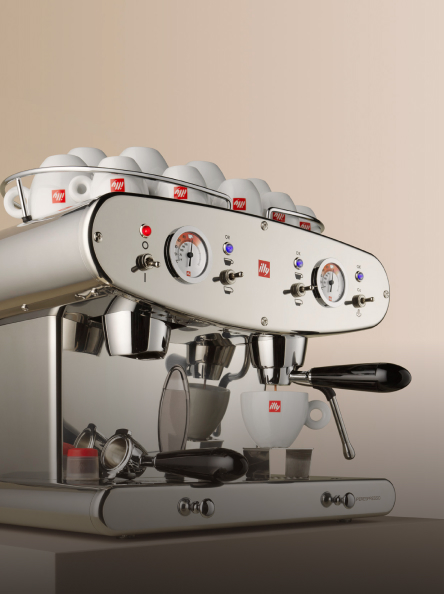

Choosing how coffee gets made in the workplace has become part of how companies think about employee wellbeing, sustainability and even talent retention. Among the many office coffee machines on the market, bean to cup coffee is increasingly seen as the upgrade that ticks the most boxes at once.
But is it really the right move for every office, or only for some? This article breaks down what bean to cup coffee actually involves, how it compares with other office coffee machines, and what UK businesses should weigh up before making the switch.
In this article:
- What is bean to cup coffee?
- Why UK offices are rethinking their coffee setup
- Bean to cup vs capsules and instant: a quick comparison
- The business case for upgrading
- Sustainability and the bean to cup question
- How to choose the right office coffee machines for your team
What is bean to cup coffee?
Bean to cup machines grind whole coffee beans fresh for every single drink, rather than relying on pre ground doses, capsules or instant powder. The result is a cup that is closer, in taste and aroma, to what a trained barista would produce.
Unlike many other office coffee machines, bean to cup systems deliver this through a touchscreen interface that requires no specialist skills to operate. For offices, this combination of quality and simplicity is exactly why the format has moved from a "nice to have" to a genuine point of discussion in facilities and HR planning, at a moment when coffee itself has become a visible marker of how a company treats its people.

Why UK offices are rethinking their coffee setup
Coffee has quietly become one of the most talked-about workplace benefits. As hybrid working policies continue to evolve, employers are looking for tangible, low cost ways to make the office worth the commute and coffee keeps coming up as a lever that works.
A few figures illustrate why this conversation is gaining momentum, according to Lumina Intelligence research and illy commissioned UK surveys:
- 83% of employees say high-quality coffee improves their concentration and productivity
- 75% of employees would like their employer to offer premium coffee in the office
- 30% of employees are currently unhappy with the quality of the coffee at their workplace
- 39% of UK office workers currently lack access to any coffee service and express strong interest in having one introduced
Taken together, these numbers point to a gap between what offices currently offer and what employees expect. For many businesses, closing that gap starts with the machine itself and this is where bean to cup solutions tend to stand out from more basic alternatives.
Bean to cup vs capsules and instant: a quick comparison
Not every office needs the same solution. Volume, budget and the type of experience a company wants to offer all play a role.
Here is a general overview of how the main formats among today's office coffee machines compare:
|
Format |
Coffee quality |
Typical daily volume |
Maintenance |
Best suited for |
|---|---|---|---|---|
|
Bean to cup |
Freshly ground, highly customisable |
From roughly 20 up to several hundred cups/day depending on model |
Regular but manageable, often supported by service contracts |
Offices wanting a premium, barista style experience |
|
Capsule / portioned systems |
Consistent, good quality |
Lower volumes, typically small to mid size teams |
Low, simple to manage |
Small or premium offices with limited space |
|
Instant / free-standing |
Basic, less consistent |
Variable |
Low |
Cost driven setups with minimal focus on experience |
The business case for upgrading
Beyond taste, the decision to invest in better office coffee machines has measurable effects on how employees perceive their workplace. 68% of UK office workers say that quality coffee contributes to how they perceive their employer's attention to wellbeing, while 86% report feeling more valued when high quality coffee is available.
The quality of coffee offered at work is increasingly viewed as a marker of attention to detail, employee care and environmental responsibility, shaping how clients, partners and prospective hires perceive an organisation.
A few practical reasons this matters for decision makers:
- Retention and attraction: premium coffee is often cited as a differentiator in a competitive job market
- Return to office incentives: a better coffee experience is one of the more cost effective levers for encouraging in person attendance
- Team connection: a high quality coffee experience can encourage spontaneous interaction across teams and support a more inclusive, open work environment
- Brand consistency: for client facing offices, the coffee station is part of the overall impression a visitor takes away
Sustainability and the bean to cup question
For many employees (especially Millennials and Gen Z) sustainability is an expectation and 80% of office workers say it is important that the coffee offered in the workplace is sustainable.
Bean to cup systems can support this expectation in several ways:
- whole beans typically generate less single use packaging waste per cup than individually wrapped capsules
- many modern machines include energy saving standby modes
- sourcing 100% Arabica beans from traceable supply chains allows businesses to align their coffee offering with wider ESG commitments
That said, sustainability outcomes depend heavily on the specific machine, blend and maintenance practices chosen, which is why the selection process matters as much as the format itself.
How to choose the right office coffee machines for your team
The right choice depends on team size, budget and how much the coffee experience matters to the company's culture. Some practical criteria to weigh up when comparing office coffee machines:
- Size and usage: larger, multi-floor offices generally need higher capacity machines, while smaller teams are often better served by compact models
- Coffee quality and customisation: look for options to adjust grind, strength, milk type and cup size, including plant based and lactose free options
- Design and technology: touchscreen interfaces and a design that fits the office aesthetic increasingly matter, particularly in client facing spaces
- Maintenance and support: reliability depends on a responsive service network, automatic cleaning functions and accessible spare parts
Upgrading to bean to cup coffee is, for many UK offices, less about a single machine and more about a broader shift in how companies think about employee experience, sustainability and workplace culture.
illy works with UK businesses to help identify the right office coffee machines for their specific needs, from compact bean to cup machines for smaller teams to higher capacity systems for larger workspaces.
To explore which option fits your office, get in touch with illy for a free trial and experience the difference fresh, quality coffee can make.
The office coffee break plays an important role in the context of employee wellbeing, positively influencing morale, creativity and collaboration, crucial elements for a stimulating and productive working environment.
Want to know more?
Subscribe to the illy Office newsletter!