
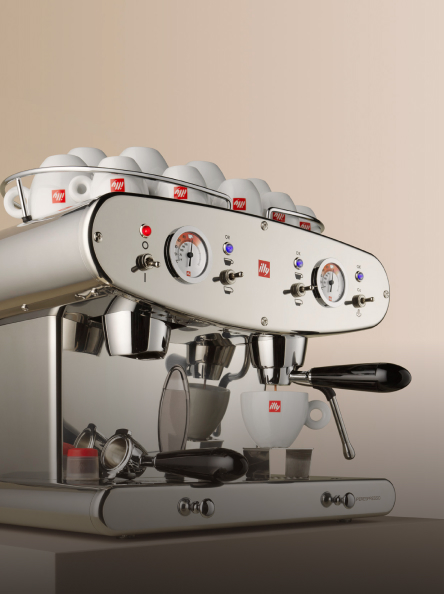

Rest breaks at work are often treated as a legal box to tick. Handled well, they are one of the simplest ways to lift morale, sharpen focus and bring people back together in the office. This guide covers what UK law requires, what the evidence says about breaks and wellbeing, and how a well-planned coffee culture turns a short pause into a moment that teams value.
Contents
- Why rest breaks at work deserve more than a legal minimum
- What UK law says about rest breaks at work
- Why rest breaks pay off in wellbeing and performance
- The coffee break as a social ritual that lifts morale
- Choosing the right office coffee setup for your break areas
- Bring your coffee culture to life with illy
Why rest breaks at work deserve more than a legal minimum
Few workplace habits have changed as quickly as the way people pause during the day. Hybrid schedules, redesigned offices and a stronger focus on employee wellbeing have pushed HR leaders and office managers to rethink everyday routines, starting with the humble break. A pause that once meant a quick drink at the desk is now part of a wider conversation about presence, connection and retention.
Three ideas run through this article:
- The legal minimum is only the starting point. The law sets out rest entitlements, but it says nothing about how breaks feel or whether people actually take them.
- Breaks are social as much as physical. The informal conversations that happen around a coffee point build trust and cross team collaboration in a way scheduled meetings rarely do.
- Environment shapes behaviour. The quality of the break space and the drinks on offer influence whether employees step away from their screens at all.

What UK law says about rest breaks at work
Under the Working Time Regulations 1998, adult workers in Great Britain are entitled to an uninterrupted rest break of at least 20 minutes if they work more than six hours a day, plus 11 consecutive hours of rest between working days and a weekly rest period. The rest break during the day does not have to be paid unless the employment contract says so.
The main entitlements for rest breaks at work are summarised below, based on GOV.UK guidance:
|
Type of rest |
Adult workers (18+) |
Young workers (16–17) |
|---|---|---|
|
Rest break during the day |
20 minutes uninterrupted if working more than 6 hours |
30 minutes if working more than 4.5 hours |
|
Daily rest |
11 consecutive hours between working days |
12 consecutive hours |
|
Weekly rest |
24 hours each week, or 48 hours each fortnight |
48 hours each week |
|
Paid? |
Only if the contract says so |
Only if the contract says so |
Two further points are often overlooked:
- The break should be taken during the working day, not tacked on at the start or end of a shift.
- For people who spend long periods at a screen, the Display Screen Equipment Regulations require employers to plan work so that it includes regular breaks or changes of activity, in addition to the statutory rest break.
Meeting these rules keeps an organisation compliant. Getting real value from rest breaks, however, depends on what happens in those minutes away from the desk.
Why rest breaks pay off in wellbeing and performance
Regular breaks give the brain a chance to reset, which reduces fatigue, lowers the risk of errors and helps people return to complex tasks with better concentration. Skipping them may look like dedication, but over a week it usually shows up as slower decisions, shorter tempers and more mistakes.
The pressure to work through breaks has grown with back to back video calls and blurred boundaries between home and office. That makes it more important for employers to signal, through policy and environment, that stepping away is expected rather than merely tolerated.
The benefits of well used breaks tend to fall into three areas:
- Mental recovery: short pauses ease cognitive load and help prevent the gradual build-up of stress that leads to burnout.
- Physical health: standing up, moving and looking away from a screen reduces eye strain and the effects of long periods of sitting.
- Engagement: people who feel trusted to manage their energy are more likely to feel committed to their employer.
For HR and facilities teams, this makes the break less a cost in lost minutes and more a low-cost, high-impact investment in a healthier and more productive workforce.

The coffee break as a social ritual that lifts morale
The coffee break is the most common shared ritual in UK offices, and its value lies as much in conversation as in the cup: informal exchanges between colleagues build trust, empathy and a sense of belonging that formal meetings rarely create.
Data from a 2024 survey of UK office workers shows how strongly employees connect quality coffee with their experience at work.
86%
feel more valued when quality coffee is offered
82%
say casual moments such as coffee breaks help them feel more connected to colleagues
75%
would like their employer to offer premium coffee in the office
68%
say quality coffee shapes how they perceive their employer's attention to wellbeing
Source: 2024 survey of UK office workers.
These numbers point to something HR leaders already sense: after long periods of remote work, people associate a good coffee with comfort, reward and care.
Those micro moments also support psychological safety, the shared belief that it is safe to speak up and share ideas. In a hybrid organisation, where teams may only overlap two or three days a week, a coffee break can do more for collaboration than another scheduled call, and the quality of what is in the cup plays a real part in team morale.
If your break area has not been reviewed since teams returned to the office, now is a good moment to look at it again through your employees' eyes.
Choosing the right office coffee setup for your break areas
The right coffee setup depends on team size, how drinks are consumed through the day and the role the break area plays in your office. Matching equipment to real usage avoids queues at peak times and keeps quality consistent.
|
Office profile |
Typical setup |
Why it works |
|---|---|---|
|
Small team or meeting rooms |
Compact capsule system |
Consistent quality, minimal space and very little cleaning |
|
Mid sized office with a central kitchen |
Bean-to-cup machine |
Freshly ground coffee, milk based drinks and customisable strength |
|
Large or multi floor workplace |
High capacity vending or several beantocup units |
Hundreds of drinks a day, card or app payment options and reduced queues |
Beyond capacity, consider these factors when comparing office coffee machines:
- ease of use, with intuitive touchscreens and drink memory settings
- compatibility with plant based and lactose free milks
- maintenance plans, automatic cleaning and responsive service support
- energy saving modes and the environmental profile of consumables
- total cost of ownership, including supplies and servicing, not just the purchase or rental price
- flexible acquisition models, from purchase to leasing or service agreements
Bring your coffee culture to life with illy
Since 1933, illy has been synonymous with excellence in coffee. Its unique 100% Arabica blend, sourced from nine origins, delivers a consistent and unmistakable taste in every cup. As the first Italian coffee company to achieve B Corp™ certification, illycaffè meets rigorous standards of social and environmental responsibility.
In the UK, illy supports businesses with tailored workplace solutions that combine superior coffee, reliable delivery, expert maintenance and a complete range of accessories, with flexible options including direct purchase, leasing and service agreements. Whether you want to enrich a breakout area or introduce a full vending solution, illy can help you create a space where coffee becomes a symbol of care, culture and connection.
Book your free trial with illy today and discover how a better coffee break can lift morale across your workplace.
The office coffee break plays an important role in the context of employee wellbeing, positively influencing morale, creativity and collaboration, crucial elements for a stimulating and productive working environment.
Want to know more?
Subscribe to the illy Office newsletter!