
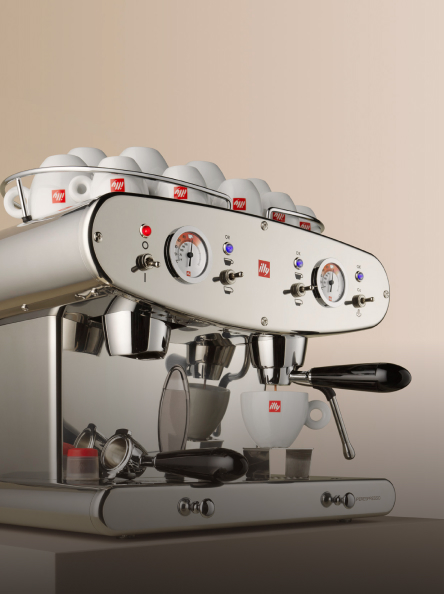

A barista course is a business investment with measurable returns: higher average spend per customer, stronger retention, the ability to command premium pricing, and a visible improvement in how guests perceive the overall quality of your establishment.
This article explores exactly how professional coffee training translates into revenue and what operators should look for when choosing a programme.
Contents:
- The barista course as a revenue asset
- What a barista course actually teaches
- Latte art and the upselling opportunity
- The loyalty effect
- What to look for in a barista course

The barista course as a revenue asset, not just a cost
The barista occupies a central role in the dining experience. They are the first point of human contact for many customers, the face of the brand at the counter, and a direct contributor to the impression guests carry with them when they leave.
Too often, this figure is undervalued — exposed to stressful conditions, modest pay and limited professional recognition. The result is high turnover, inconsistent service and a missed opportunity to build something genuinely distinctive.
Reframing the barista as a revenue asset changes the conversation. When staff are trained properly, when they understand the product they are serving and take pride in how they serve it, the effect on the customer experience is tangible. And a better customer experience drives commercial outcomes:
- higher average spend per visit
- greater willingness to explore premium options
- more frequent return visits
- word-of-mouth recommendations
An effective barista course recognises and celebrates the importance of this professional figure. It doesn't just teach technique,
it builds motivation, a sense of belonging and a sense of responsibility towards the product and the customer.
.jpg?width=500&height=630&name=corsi_Maestro_Barista-67582b60ce7978c0f5e1981e%20(1).jpg)
What a barista course actually teaches and why it matters commercially
A professional barista course covers a range of competencies that, individually and collectively, have a direct impact on revenue.
|
Skill area |
Commercial impact |
|
Espresso extraction |
Consistent quality reduces waste and builds trust |
|
Milk steaming and texturing |
Unlocks a broader, higher-margin milk-based menu |
|
Latte art |
Justifies premium pricing and drives social sharing |
|
Sensory evaluation |
Enables staff to describe and sell the product confidently |
|
Customer interaction |
Increases upselling and improves guest retention |
|
Machine maintenance |
Reduces downtime and protects equipment investment |
Each of these skills has a financial dimension. Training, understood in this way, is not a cost item on a budget sheet. It is a lever for margin improvement.
Latte art and the upselling opportunity
Of all the skills taught in a barista course, latte art tends to generate the most immediate and visible commercial return.
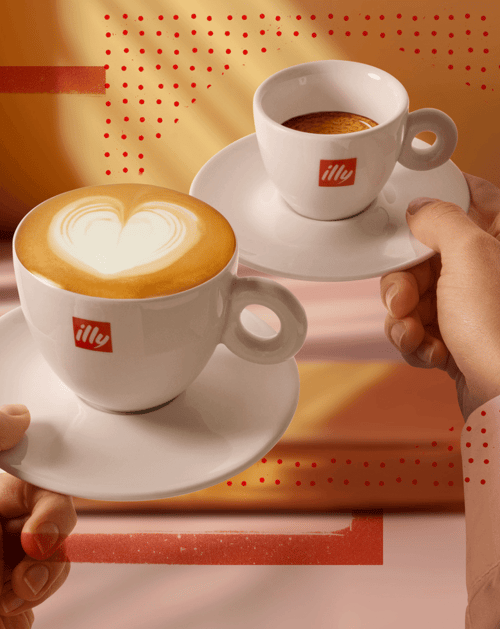
Latte art is the practice of creating patterns and shapes in milk-based drinks using precisely textured milk poured into espresso. It requires technical knowledge of milk chemistry (fat content, protein structure, temperature thresholds), as well as manual dexterity and consistent practice. When executed well, it transforms a cappuccino or flat white into something genuinely worth photographing.
That visual dimension has a direct impact on perceived value. A customer presented with a beautifully crafted cappuccino perceives the drink and the venue as operating at a higher standard. This perception:
- justifies a higher price point without resistance
- encourages the customer to order a milk-based drink rather than a plain espresso (higher margin)
- generates shareable content on social media, creating organic visibility for the café
- creates a memorable moment that increases the likelihood of a return visit
Beyond the individual cup, latte art is also a powerful upselling prompt. A trained barista can offer to create a specific pattern, suggest a seasonal milk-based special, or simply draw the customer's attention to the quality of what they are receiving. That moment of human connection is one of the most effective upselling mechanisms available to any hospitality operator.
From skill to repeat business: the loyalty effect
Revenue per customer is also about how often they return and whether they bring others with them.
Coffee quality is one of the primary drivers of café loyalty. Customers who experience a consistently excellent cup, served by someone who clearly knows and cares about the product, develop a strong preference for that venue. They come back. They recommend it. They become ambassadors.
The inverse is equally true. Research in customer experience consistently shows that negative impressions are more memorable and more shareable than positive ones.
A professional barista course addresses this risk directly.
Consider the cumulative value of a loyal customer:
- a guest who visits 3 times per week, spending an average of £5 per visit, contributes approximately £780 per year
- if they recommend the venue to two friends who adopt the same pattern, the lifetime value of a single training investment multiplies significantly
- conversely, a guest who switches to a competitor after a disappointing experience takes that £780 elsewhere
What to look for in a professional barista course
Not all barista training is created equal. For operators evaluating their options, the following criteria distinguish a genuinely high-value programme from a basic introduction:
Depth of technical content
The course should cover the full preparation process — from bean selection and grinding to extraction, milk work and drink presentation — rather than focusing narrowly on machine operation.
Sensory training
Staff who can taste, describe and evaluate coffee are better equipped to communicate with customers and recommend options. Sensory education is a mark of a serious programme.
Motivational development
The best barista courses build professional identity and pride alongside technical skill. A barista who is proud of their work performs differently and that difference is felt by every customer they serve.
Practical, hands-on format
Theory has its place, but the skills that drive revenue are physical and habitual. Look for programmes that prioritise time at the machine.
Ongoing support
The most valuable training relationships include ongoing access to expertise, whether through refresher sessions, certifications or direct support from the supplier.
Alignment with your product
Training delivered in partnership with your coffee supplier is particularly effective, because it develops mastery of the specific product being served.
Elevate your coffee programme with illy
illy has been at the forefront of coffee quality and education for over 90 years. The Università del Caffè, founded in 1999, is a centre of excellence dedicated to disseminating the culture of quality coffee through training, research and innovation. Its programmes cover the entire coffee value chain — from the growers to the barista to the end consumer — with the goal of ensuring a consistently outstanding experience in every cup.
For hospitality operators in the UK, partnering with illy means accessing a supplier that sees training not as an optional extra, but as a core part of the relationship. Every illy partner benefits from the expertise, resources and ongoing support of a team that is as invested in their success as they are.
If you are ready to explore how illy can support your coffee programme and your business growth, request a free trial and experience the difference for yourself.


In the coffee shop world, every detail contributes to defining the unique customer experience when they approach the bar and order a coffee.
A thorough understanding of all aspects is crucial to drive the business towards sustainable success over time.
Subscribe to the illy newsletter to keep up to date with all the latest news from the Hospitality world!